

How to Stop Someone Snoring Immediately is a common question for anyone who shares a room with a loud snorer. Snoring can interrupt sleep, reduce rest quality, and sometimes signal an underlying health issue. Fortunately, a few simple techniques can provide fast relief, such as changing the sleeper’s position, clearing nasal passages, or improving airflow in the room.
While these quick fixes may help reduce snoring right away, frequent or severe snoring should not be ignored. Learning the causes and the most effective solutions can help you enjoy quieter nights and better sleep. Snoring remedies, sleep position, nasal congestion, sleep apnea, and healthy sleep habits all play an important role in reducing snoring.
What Is Snoring?
Snoring happens when air cannot move freely through your nose and throat during sleep. This restricted airflow causes the surrounding tissues to vibrate, creating that familiar rattling sound. Airway blockage is usually the root cause, though the severity varies from person to person. Some people produce a soft whistle, while others create a loud snoring noise that can be heard through walls.
The throat naturally relaxes during sleep. However, in some people, it relaxes too much. Relaxed throat muscles narrow the airway further, making the vibration louder and more frequent. Add nasal congestion into the mix, and breathing becomes even harder. Understanding what is happening physically is the first step toward finding a real solution rather than just masking the symptom.
Why Do People Snore?
Snoring rarely has just one cause. It is usually a mix of anatomy, habits, and sometimes genetics working against you. Sleep position plays a huge role here. Sleeping flat on your back allows the tongue and soft tissues to fall backward, blocking the airway. This is why side sleeping vs back sleeping makes such a noticeable difference for many people.
Body weight matters too. Weight gain and snoring are closely linked because extra tissue around the neck puts pressure on the airway. Drinking alcohol before bed relaxes throat muscles even further, making snoring worse on nights out. Genetics also play a part; family history of snoring increases your likelihood of experiencing it yourself. Women may notice more snoring during hormonal changes (pregnancy) due to swelling in nasal passages. Even structural issues, like enlarged tonsils/adenoids, can physically narrow the space air needs to pass through.
| Common Cause | How It Affects Snoring |
| Sleep position | Back sleeping narrows airway |
| Alcohol before bed | Relaxes throat muscles |
| Weight gain | Adds pressure on airway |
| Nasal congestion | Blocks airflow through nose |
| Family history | Increases genetic likelihood |
| Hormonal changes | Causes nasal swelling |
How to Stop Someone Snoring Immediately
Sometimes you just need relief right now, not next week. There are a handful of snoring remedies that work within minutes. Gently rolling your partner onto their side often stops the noise almost instantly. This simple movement shifts the tongue away from the back of the throat, opening the airway again.
Nasal strips are another fast fix. These adhesive strips pull the nostrils open, allowing more air to pass through the nasal passage. A humidifier running nearby can also loosen congestion and reduce the dryness that makes throat tissues vibrate more. If you need how to reduce snoring results tonight, try elevating their head slightly with an extra pillow. This one small change often makes a noticeable difference within the first few minutes of sleep.
Best Sleeping Positions to Reduce Snoring
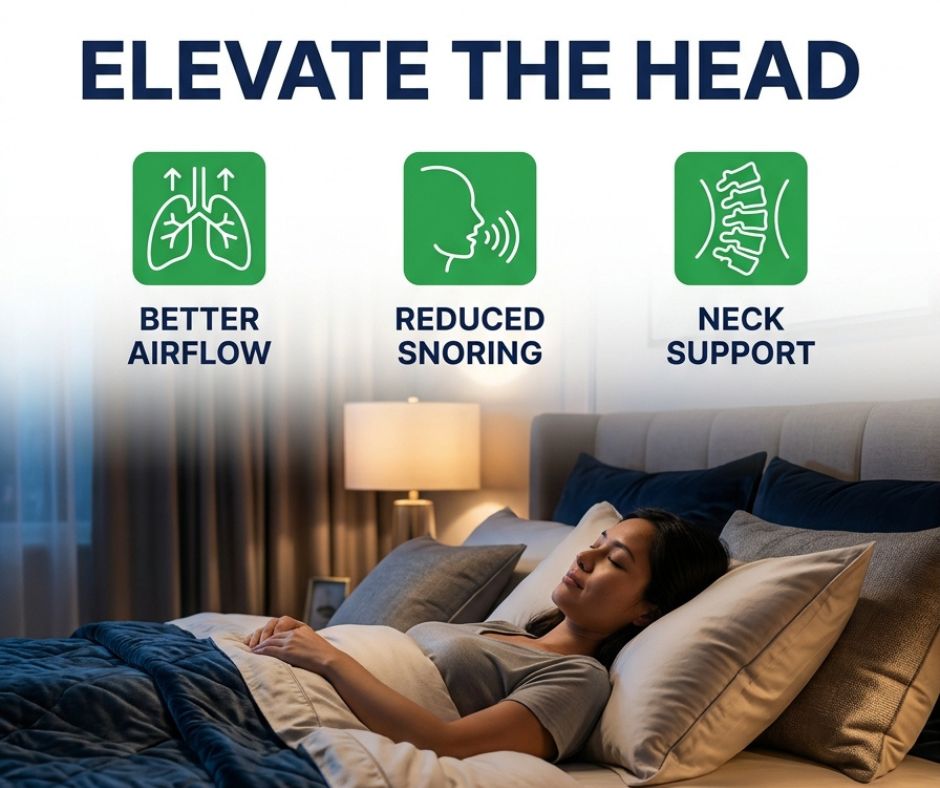
Body position affects breathing more than most people realize. Sleeping on the back allows gravity to pull the tongue and soft palate downward, blocking airflow. Switching to a side position keeps the airway open and reduces vibration significantly. This is one of the simplest snoring solutions available, and it costs nothing.
Elevating head while sleeping also helps by reducing pressure on the throat. Propping up the upper body with pillows, or using a wedge pillow, keeps airways straighter and more open. Some people even sew a tennis ball into the back of their pajamas to prevent rolling onto their back during the night. It sounds unusual, but it works surprisingly well for stubborn back sleepers who struggle to stay on their side.
Home Remedies to Stop Snoring Naturally
Not every fix requires a trip to the pharmacy. Steam inhalation before bed opens nasal passages and clears out mucus that blocks airflow. Simply breathing in warm steam for ten minutes can make a real difference for someone dealing with a stuffy nose. Essential oils for snoring, like peppermint or eucalyptus, can also help clear congestion when added to a diffuser or warm bath.
Throat exercises are another natural approach worth trying consistently. These exercises strengthen the muscles around the airway, reducing the looseness that leads to vibration. Staying hydrated throughout the day keeps mucus thinner, which prevents blockages from forming overnight. Avoiding heavy meals close to bedtime also reduces bloating that can press against the diaphragm and disrupt normal breathing patterns.
Lifestyle Changes for Long-Term Relief
Quick fixes help for one night, but lasting change comes from daily habits. Healthy weight maintenance reduces pressure on the neck and throat, often significantly reducing snoring volume over time. Regular exercise improves muscle tone throughout the body, including the throat muscles that control airflow during sleep.
Building better sleep hygiene matters just as much. Going to bed at consistent times trains the body to rest more deeply, which can reduce excessive muscle relaxation. Avoiding sedatives and heavy drinking before bed keeps throat muscles from becoming too loose. Quitting smoking is another powerful step, since smoking irritates and inflames the airway lining, making snoring far more likely and more severe over time.
Anti-Snoring Products and Devices That Actually Work
The market is full of anti-snoring devices, but not all of them deliver real results. A mouthguard / oral appliance repositions the jaw slightly forward, keeping the airway open throughout the night. These devices are often recommended by dentists and tend to work well for people whose snoring comes from jaw position rather than nasal issues.
A chin strap keeps the mouth closed during sleep, encouraging nose breathing instead of mouth breathing. An anti-snoring pillow is designed to naturally guide the head and neck into a position that reduces airway collapse. While these products help many people, results vary depending on the root cause of the snoring, so it may take some trial and error to find what actually works for your specific situation.
| Device | How It Helps |
| Mouthguard / oral appliance | Repositions jaw to open airway |
| Chin strap | Encourages nose breathing |
| Anti-snoring pillow | Guides head into better position |
| Nasal strips | Opens nostrils for airflow |
When Snoring Signals a Serious Problem

Not all snoring is harmless. Sometimes it points toward obstructive sleep apnea (OSA), a sleep disorder where breathing repeatedly stops and starts during the night. This condition often comes with gasping for air during sleep, along with daytime sleepiness that makes everyday tasks feel exhausting.
Left untreated, sleep-disordered breathing can increase the risk of serious health problems. Studies link it to heart disease risk, high blood pressure, type 2 diabetes, and even stroke risk. A healthcare provider may recommend a sleep study to measure breathing patterns overnight. Structural issues, like a deviated septum, sometimes require surgical solutions such as septoplasty, UPPP surgery, or somnoplasty / ablation therapy. In severe cases, a tonsillectomy or an upper airway stimulator device may be recommended. A CPAP machine remains the most common and effective treatment for moderate to severe OSA cases.
“Loud, disruptive snoring accompanied by pauses in breathing should never be ignored. It’s often the first visible sign of a much deeper health issue.” — a reminder echoed by sleep specialists across the country.
Tips for Partners: How to Cope When Someone Snores
Living with partner’s snoring night after night takes a toll on everyone’s sleep quality. Sleepless nights build up over time, leading to irritability and exhaustion for both people involved. Simple tools like earplugs or a white noise machine can mask the sound enough to allow uninterrupted rest.
Some couples choose separate bedrooms temporarily while working through solutions together. This is not a failure of the relationship; it is a practical step toward better health for both partners. Open communication matters here. Instead of resentment building silently, gently mention the snoring and encourage them to try the remedies covered above. Approaching it as a team effort, rather than a complaint, tends to get much better results.
Frequently Asked Questions
Does snoring always mean sleep apnea?
No, snoring does not always mean sleep apnea. Many people snore occasionally without any underlying disorder. However, if snoring is loud, frequent, and paired with sleep apnea symptoms like gasping or long pauses in breathing, it is worth discussing with a doctor.
Is it normal for babies to snore?
Yes, snoring in babies/children is fairly common and usually harmless. It often results from a stuffy nose rather than a serious condition. If snoring persists or seems severe, a pediatrician can check for underlying causes.
Is snoring different between men and women?
There are some differences when comparing male vs female snoring patterns. Men tend to snore more often due to anatomical differences in airway size, though women experience increased snoring during pregnancy due to hormonal shifts.
What is the fastest way to stop snoring immediately?
Changing sleep position, using nasal strips, and running a humidifier are among the fastest fixes available. These methods work within minutes and require no special equipment.
Final Thoughts
Snoring affects nearly everyone at some point, and most cases are nothing to panic about. Simple changes like adjusting sleep position, trying nasal strips, or running a humidifier can bring relief the very same night. For longer-lasting results, focus on lifestyle changes such as regular exercise, healthy weight maintenance, and better sleep hygiene.
If snoring comes with fatigue / tiredness, headaches, or breathing pauses, it may be time to see a healthcare provider. Taking snoring seriously protects not just your sleep, but your overall health for years to come.

I like that you pointed out the difference between quick ways to reduce snoring and situations where it could be a sign of something more serious. One thing that hasBlog Comment Creation also helped in my experience is keeping the bedroom air from getting too dry, especially during allergy season, since that can make nighttime breathing more difficult. It’s a good reminder that persistent snoring is worth paying attention to instead of just trying to sleep through it.