
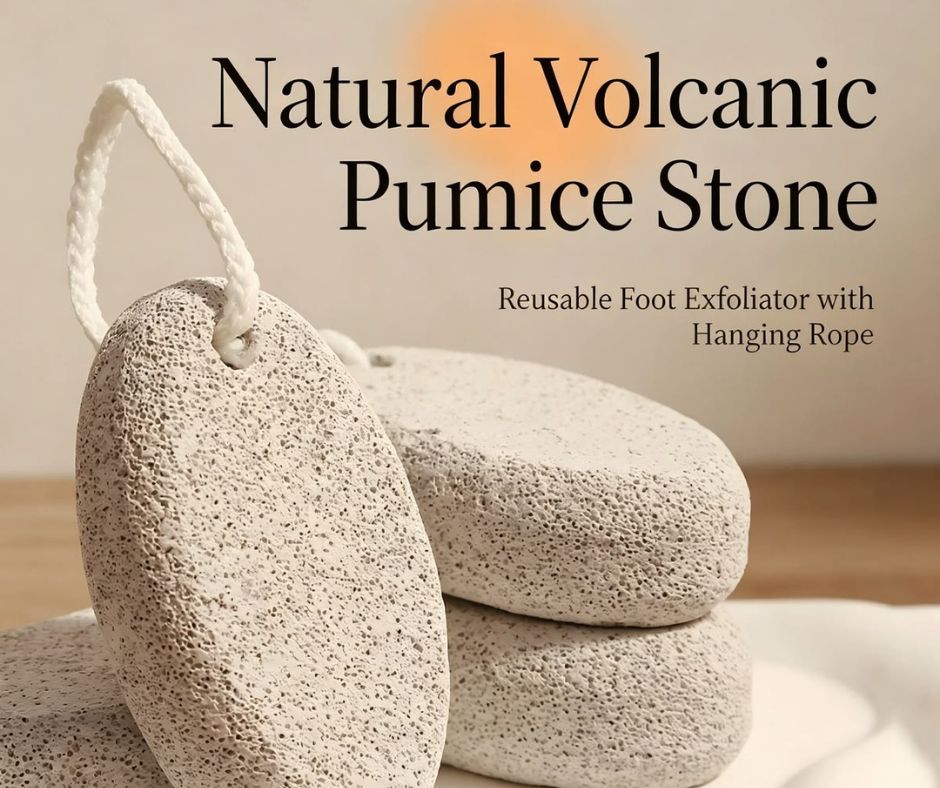
Most people keep a pumice stone tucked away in the shower, only reaching for it when rough heels demand attention. That’s selling this humble rock short. Formed from volcanic rock and shaped by cooled lava, this porous stone carries a surprising list of talents far beyond foot care. It scrubs stubborn stains from toilets, lifts pet hair from carpets, and even softens cuticles before a manicure.
Lightweight yet surprisingly tough, it works as a natural exfoliant for skin and a handy fix for dozens of household headaches. This guide walks through everything worth knowing, from how it forms underground to picking the right one for your daily routine.
What Is a Pumice Stone?
A pumice stone comes from volcanic rock. It forms when cooled lava hardens fast, trapping air inside as it does. That trapped air gives the stone its rough, bumpy texture. Millions of tiny holes cover its surface, which is why it feels so light in your hand.
This porous stone is nature’s own scrub brush. Unlike sandpaper or metal files, it works gently but firmly on tough surfaces. Many people ask, what is pumice stone made of? Simply put, it’s frozen volcanic foam, cooled before the bubbles could escape.
How Does a Pumice Stone Work?
So, how does pumice stone work? The secret lies in its bubbles. Gas bubbles trapped during cooling create thousands of sharp, tiny edges across the surface. These edges act like a natural abrasive, gently scraping away whatever sits on top of a surface.
Because it’s a lightweight stone, you can control the pressure easily. Too much force scratches skin or surfaces. Light, steady strokes work best. This is why the stone suits both delicate skin care and tougher household chores, all with one simple tool.
Different Types of Pumice Stones
Not all pumice stones are equal. Some come straight from volcanic sites, unprocessed and raw. Others are manufactured in factories to match a consistent shape and texture. Knowing the difference between natural pumice vs synthetic pumice helps you pick the right one for your needs.
| Type | Texture | Best For |
| Natural raw pumice | Rough, uneven | Feet, heavy calluses |
| Synthetic pumice | Smooth, consistent | Sensitive skin, beginners |
| Pumice powder | Fine grain | DIY scrubs, polishing |
| Pumice block with handle | Medium-rough | Toilet cleaning, tough grime |
Each type serves a purpose. A rough natural stone works wonders as a pedicure tool, while a finer synthetic block suits sensitive feet. Choosing wisely saves your skin from unnecessary irritation.
9 Amazing Things You Can Do With a Pumice Stone
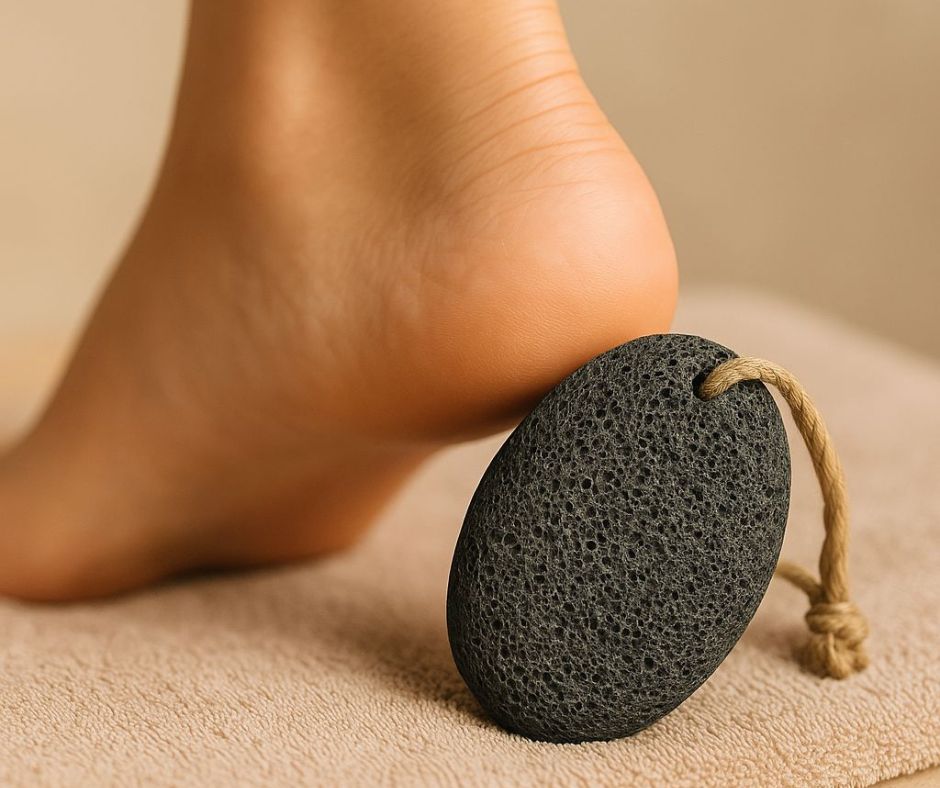
Most folks only think of feet when they hear pumice stone. That’s a narrow view. This rock handles laundry troubles, bathroom grime, garden soil, and more. Below is a quick table listing all nine surprising ways to use this handy stone.
| # | Use | Quick Tip |
| 1 | Remove pills from sweaters | Rub gently, then use a lint roller |
| 2 | Clean toilet bowl stains | Soak stone first to avoid scratches |
| 3 | Scrub burnt-on grease from ovens | Keep stone wet while scrubbing |
| 4 | Pet hair removal from carpets | Use short strokes in one direction |
| 5 | Add to potting soil | Great for succulent soil and cacti soil |
| 6 | Body hair removal | Circular motion on damp skin |
| 7 | Create distressed jeans | Rub target area repeatedly |
| 8 | Essential oil diffuser | Add drops directly to porous surface |
| 9 | Manicure prep | Soften cuticles before polish |
Bonus Uses Competitors Miss
Beyond the nine listed above, a pumice stone also removes light rust spots from garden tools. It smooths rough edges on wooden furniture too. Some crafters even use it to buff away dried paint splatters from glass surfaces without harsh chemicals.
How to Use a Pumice Stone Safely
Safety matters more than people think. Always soak the stone in warm water before use. A dry stone scratches skin and surfaces alike. Start with light pressure and check progress often. Never scrub the same spot for too long, since rough skin patches can turn raw fast.
People with diabetes or poor circulation should avoid foot exfoliation with a pumice stone unless a doctor approves. Open wounds, cuts, or infections are also off-limits. Following a step-by-step guide keeps the process gentle and reduces the risk of injury or irritation.
Pumice Stone for Skin Care
For skin care routine lovers, this stone is a budget hero. It tackles dead skin cells, softens rough patches, and supports gentle calluses removal without expensive tools. Regular use on dry heels keeps feet smooth, especially useful during sandal season here in the USA.
Cuticle care benefits too. A soft pass around nail edges before a manicure removes dead skin without cutting. Many spas actually use pumice as a natural exfoliant for elbows and knees, proving its versatility stretches well past just feet.
Choosing the Right Pumice Stone
Picking the best pumice stone for your needs depends on texture, size, and material. Coarse stones suit thick calluses. Finer ones suit sensitive skin or first-time users. Handled versions make bathroom cleaning easier, keeping your hand away from grime.
Quality matters just as much as type. Cheap stones flake apart quickly and leave gritty residue behind. A well-made exfoliating tool lasts for months with proper care. Always check reviews before buying, and avoid the lowest-priced options sold in bulk online.
How to Clean and Maintain a Pumice Stone
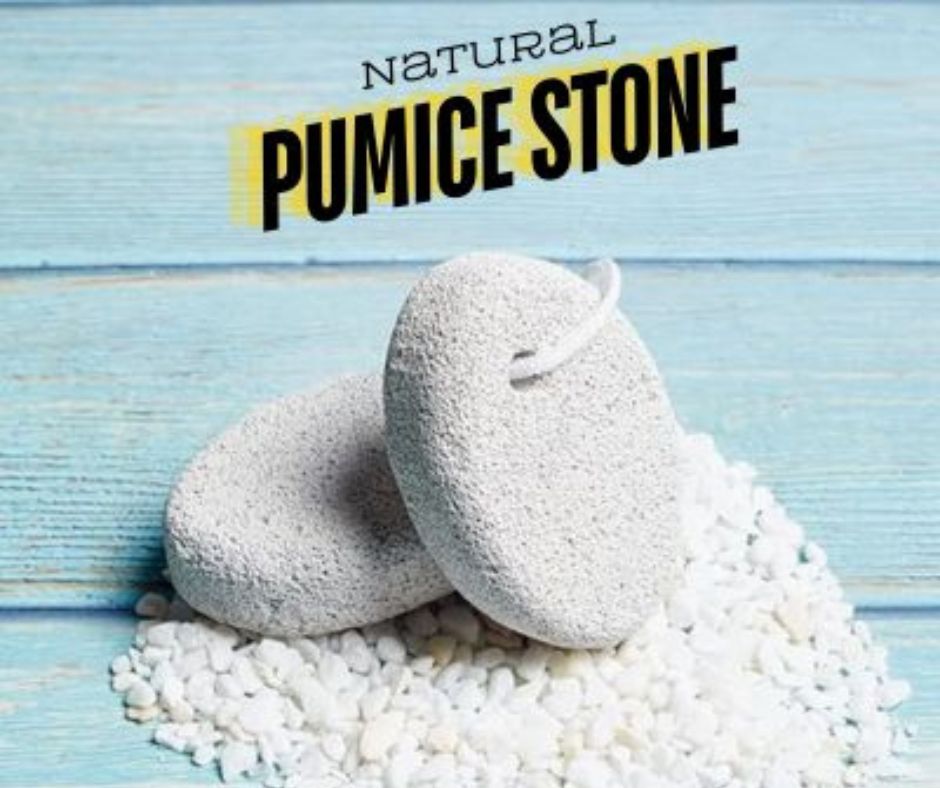
Wondering how to sanitize a pumice stone after each use? Rinse thoroughly under running water to remove skin cells and debris. Let it air-dry fully in an open space. Trapped moisture breeds bacteria fast, especially in humid bathrooms.
Replace your stone every few months, sooner if it’s used often. This simple household cleaning hack keeps your tool safe and effective. A dirty stone spreads germs instead of removing them, so don’t skip this basic care step.
Pumice Stone vs Other Alternatives
Comparing pumice stone vs foot file shows clear differences. Foot files use metal or plastic surfaces, offering more control but less natural texture. Pumice feels gentler and blends better with sensitive skin, though it wears down faster over time.
Now consider pumice stone vs loofah. Loofahs clean gently but lack the grip needed for tough calluses. Pumice wins for heavy-duty jobs like heel smoothing or porcelain cleaning, while loofahs suit softer, everyday body washing routines instead.
Frequently Asked Questions
What is pumice stone made of?
It’s hardened volcanic rock, formed from cooled lava that trapped air bubbles while cooling rapidly on the surface.
How often should you use a pumice stone?
Once or twice weekly works well for most people, avoiding overuse that leads to raw or sensitive skin.
Is pumice stone safe for skin?
Yes, when used gently and on healthy skin. Avoid it on cuts, infections, or areas with poor circulation.
Can pumice stone clean toilet bowls?
Absolutely. It removes hard water stains effectively, but always soak the stone first to protect porcelain surfaces.
Where to buy pumice stone?
Most drugstores, beauty supply shops, and online retailers across the USA carry both natural and synthetic options.
Conclusion
A simple pumice stone offers far more value than most people realize. From smoothing dry heels to tackling sweater pilling and even freshening a room as a DIY diffuser, this humble rock earns its spot in every home. Try it once, and it quickly becomes a trusted household staple.
