
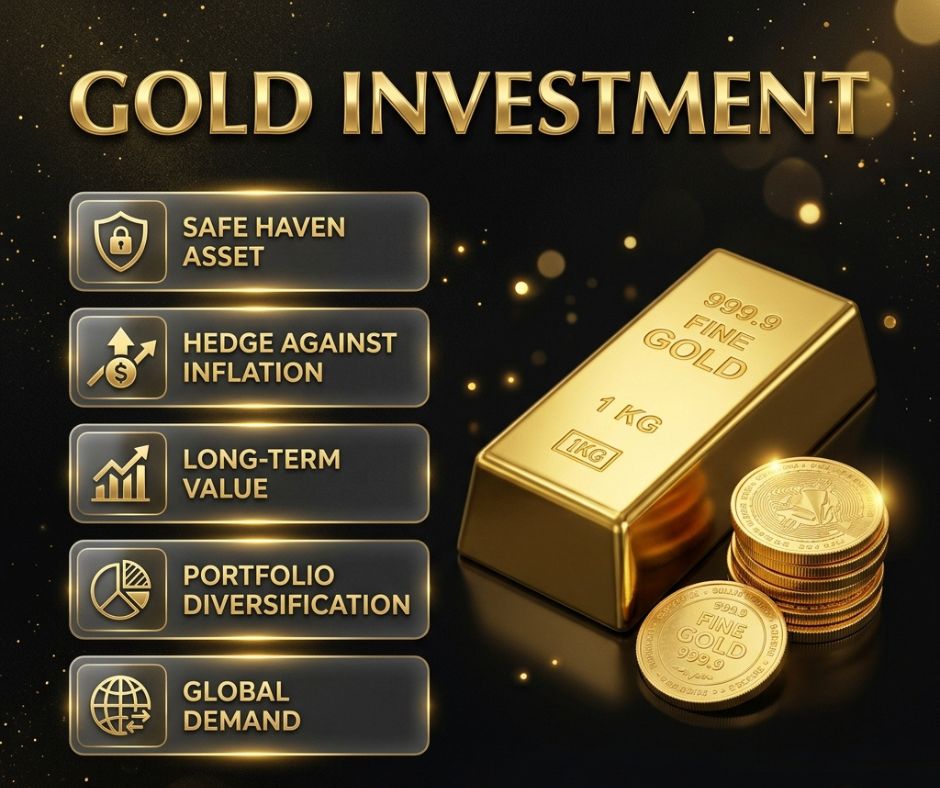
Gold has long stood as a trusted store of wealth, drawing attention from cautious savers and bold traders alike. In recent years, prices climbed toward historic peaks, pushing more people to explore gold investment as a real option. Unlike stocks or bonds, gold moves on its own rhythm, offering a safe haven asset when markets turn shaky.
Beginners often wonder where to start, since choices range from coins in hand to shares on a screen. Understanding physical gold, gold ETFs, and other paths matters before committing any money. With the right approach, gold can support portfolio diversification and protect savings against uncertain economic winds ahead.
What Is Gold Investment and Why Should Beginners Consider It?
Gold investment means putting your money into gold instead of stocks or cash. People have valued this precious metal investment for centuries. It holds worth even when paper money loses power. That is why so many beginners look at it as a starting point for wealth building.
This metal often moves differently than the stock market. It can act as an inflation hedge when prices rise fast everywhere else. Adding gold brings portfolio diversification, which simply means spreading risk. It won’t make you rich overnight, but it can protect what you already have.
Why Gold Still Matters in 2026
Gold prices hit new highs this year due to geopolitical uncertainty and fears of currency devaluation. Many investors turned to gold as a shield. This shows why investor confidence in gold stays strong, even in modern times. It remains a trusted backup plan.
Types of Gold Investments Available for Beginners
New investors often feel puzzled by choices. You can buy gold bullion, invest in gold ETFs, or try gold mutual funds. Some prefer gold-focused stocks tied to mining firms. Others use gold certificates or trade gold options contracts and gold futures contracts for more advanced plans.
Each type suits a different goal. Some give you physical possession of gold, while others offer paper-based exposure. Your choice depends on your risk tolerance and how hands-on you want to be. Beginners often start small before trying riskier tools like futures.
| Investment Type | Ownership | Liquidity | Risk Level | Best For |
| Gold bullion | Physical | Medium | Low-Medium | Long-term holders |
| Gold ETFs | Paper | High | Medium | Passive investors |
| Gold mutual funds | Paper | Medium | Medium | Hands-off savers |
| Gold-focused stocks | Paper | High | Medium-High | Growth seekers |
| Gold certificates | Paper | Medium | Medium | Vault-free owners |
| Futures & options | Contract | High | High | Experienced traders |
Physical Gold vs Paper Gold: Which One Should You Choose?

This choice often confuses first-time buyers. Physical gold means coins, bars, or jewelry you can hold. Paper gold means owning shares tied to gold’s value, like ETFs or certificates. Each path has its own charm and its own headache too.
A tangible asset vs paper asset debate really comes down to comfort. Physical gold feels safe in your hand but needs storage. Paper gold trades fast through a brokerage account with little effort. Weigh convenience against control before you pick your path forward.
Pros and Cons Snapshot
Physical gold offers full control but demands storage facilities and insurance costs. Paper gold skips storage worries but adds small expense ratios over time. Neither option is wrong. Your comfort level and goals should guide the final decision here.
How to Buy Physical Gold: Coins, Bars, and Jewelry
Buying physical gold starts with finding trusted gold dealers. The U.S. Mint keeps an authorized purchasers list of vetted sellers. This list helps you avoid scams and fake products. Always check a seller’s reputation before sending any money at all.
Purity matters a lot here. Look for gold purity of 99.5% purity or higher on bars and coins. This number tells you how pure the metal really is. Buying from a reputable marketplace protects you from overpriced or counterfeit items completely.
Where to Buy Physical Gold Safely in the USA
Stick to known names like certified mints, established banks, and licensed dealers. Avoid random online sellers or pawn shops with no track record. A little due diligence now saves major headaches later. Trust builds slowly, so don’t rush your first purchase.
How to Invest in Gold Through the Stock Market
The stock exchange offers an easier route for busy people. You can buy gold ETFs, gold mutual funds, or shares in gold mining companies through a simple brokerage account. No vault needed, no coins to hide under your bed at home.
Advanced traders sometimes use gold futures contracts or gold options contracts to guess future prices. These involve a predetermined price and a fixed expiration date. This creates a futures contract obligation that beginners should approach carefully, or avoid at first.
Best Way to Start Investing in Gold Stocks
Open a brokerage account with a trusted provider first. Research each fund’s history, fees, and expense ratios closely. Then place a small order to test the waters. Growing slowly beats jumping in with your entire savings account.
Is It Good to Invest in Gold? Benefits and Drawbacks
Gold brings real strengths to a portfolio. It offers stock market exposure without direct stock ownership. Its low correlation with equities means it often rises when stocks fall. This builds portfolio resilience during rocky economic seasons across the country.
Still, gold has downsides worth knowing. It pays no dividends or interest, unlike stocks or bonds. Storage and insurance add hidden costs over time. Market volatility can also swing short-term prices, testing patience for new investors along the way.
Gold vs Stocks: A Quick Perspective
Stocks often grow faster over long periods but swing harder in crashes. Gold moves slower yet steadier, offering calm during storms. As one seasoned advisor put it, “Gold doesn’t grow your money fast, but it helps you sleep at night.” Balance matters most.
Is It Safe to Invest in Gold? Risks You Should Know
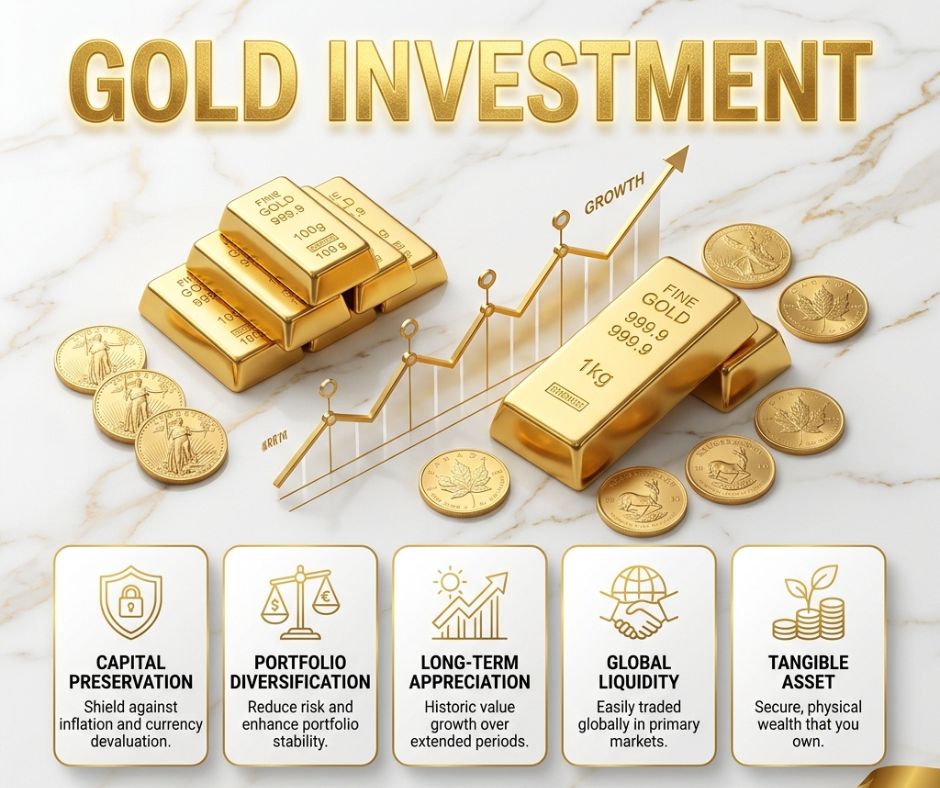
No investment is truly risk-free, and gold is no exception. Physical gold faces theft risk without proper storage facilities. Paper gold carries counterparty risk if a company fails. Price swings driven by gold price fluctuation can also catch beginners off guard.
Fraud is another real danger in this space. Always buy from verified gold dealers, never random strangers online. If a deal looks too good, walk away fast. Careful due diligence protects your money and builds long-term market shock resistance for your holdings.
How to Protect Your Gold Investment
Insure physical holdings and store them in secure locations. Buy only from vetted sources with clear reputations. Spread your money across different gold types too. This blend of caution and variety keeps your investment safer through uncertain years ahead.
How Much Should Beginners Invest in Gold?
Financial experts often suggest keeping gold between five and ten percent of your total portfolio. This creates smart asset allocation without over-committing your savings. Going beyond that percentage can limit growth from other assets like stocks and real estate.
Your ideal amount depends on personal factors. Younger investors with high risk tolerance might hold less gold. Those nearing retirement often want more stability. A financial advisor can help you find the right balance for your unique situation and goals.
Sample Allocation Strategy for New Investors
A conservative investor might hold ten percent in gold and the rest in bonds. A moderate investor could split it five percent gold, sixty percent stocks, and the remainder in bonds. Adjust based on your comfort and timeline for reaching your goals.
Best Time to Buy Gold: Market Trends and Timing Strategies
Gold prices react to many forces at once. Interest rates, a weak dollar, and currency devaluation all push prices up or down. Watching these signals helps you time purchases better, though nobody can predict the market with total certainty every single time.
Many beginners use dollar-cost averaging instead of guessing peaks and dips. This means buying small amounts regularly, no matter the price. It smooths out gold price fluctuation over time and removes emotional stress from your investing routine and daily life.
Signals That Often Move Gold Prices
Watch Federal Reserve rate decisions closely, since they shift investor behavior fast. Inflation reports and global conflicts tied to geopolitical uncertainty also move prices. Staying informed on these events helps you make smarter, calmer buying choices over time.
Common Mistakes Beginners Make When Investing in Gold
Many new investors jump in without research first. They buy from unverified sellers chasing a cheap deal. Others ignore hidden storage facilities and insurance costs, which eat into profits quietly. Skipping proper research remains the most common and costly mistake overall.
Chasing short-term price spikes causes trouble too. Beginners sometimes buy high out of fear and panic-sell low later. Ignoring portfolio diversification by putting everything into one gold type adds unnecessary risk. Patience and planning beat impulsive decisions every single time.
How to Avoid These Pitfalls
Start small and research every seller thoroughly before buying. Talk to a financial advisor if you feel unsure about any step. Diversify across bullion, ETFs, and stocks rather than picking just one. Slow, steady steps build lasting confidence and results.
Frequently Asked Questions
Is gold a good investment right now?
Gold remains a solid choice for diversification, especially during uncertain economic times, though it should not be your only asset.
How do beginners start investing in gold?
Start by researching gold types, then open a brokerage account or find a trusted dealer for physical purchases.
What’s the minimum amount needed to invest in gold?
Some gold ETFs allow you to start with under one hundred dollars, while physical gold often needs more upfront.
Are gold ETFs safer than physical gold?
ETFs skip storage risk but carry minimum investment requirement and market-based risk instead of theft risk.
Can I lose money investing in gold?
Yes, gold prices fluctuate, and short-term losses are possible, though history shows strong long-term stability overall.
Final Thoughts
Gold offers a steady path for beginners seeking safety and balance. Whether you choose gold bullion, ETFs, or mining stocks, research remains your best friend. Start small, diversify wisely, and consider speaking with a financial advisor before making your first move into gold investment for beginners.
