

Back pain has a sneaky way of getting worse when nobody’s paying attention. What starts as a dull ache in your lower back can quietly turn into something far more serious, especially when a herniated disc or nerve compression is involved. Many people brush off early warning signs, not realizing they’re inching closer to the last stages of sciatica.
This guide breaks down exactly how sciatica progresses, what symptoms show up along the way, and which treatments actually bring lasting pain relief. Whether you’re dealing with occasional discomfort or facing advanced nerve damage, understanding this condition early gives you the best shot at recovery through proper physical therapy or surgical care.
What Is Sciatica and How Does It Progress?
Your spine holds a stack of bones called vertebrae. Between them sit soft cushions called discs. These discs absorb shock every time you walk, twist, or bend. But discs wear out. Sometimes they bulge. Sometimes they tear open completely. This is called a herniated disc or bulging disc, and it’s one of the most common causes of sciatica.
When a disc pushes into the nerve canal, it creates nerve compression. This squeezes the sciatic nerve and disrupts normal signals between your brain and body. A bone spur can cause the same problem. Sciatica doesn’t stay the same forever. It moves through stages, starting mild and sometimes turning severe. Understanding this progression is the first step toward stopping it early.
Understanding Sciatica and Its Progression
Sciatica rarely jumps straight from “mild ache” to “unbearable pain.” It builds slowly, like a storm gathering strength. In early stages, you might feel a dull ache in your lower back. Maybe a sharp twinge when you sneeze. This is your body’s warning signal. Ignore it, and things can escalate quickly.
As the condition advances, disc degeneration worsens and nerve irritation increases. You may develop lumbar radiculopathy, a fancy term for nerve pain traveling from your lower spine into your legs. Left untreated long enough, this can progress toward degenerative disc disease and chronic, daily pain. Age, poor posture, obesity, and sedentary jobs all speed up this timeline. The earlier you catch it, the easier it is to treat.
Symptoms of Sciatica in Its Final Stages
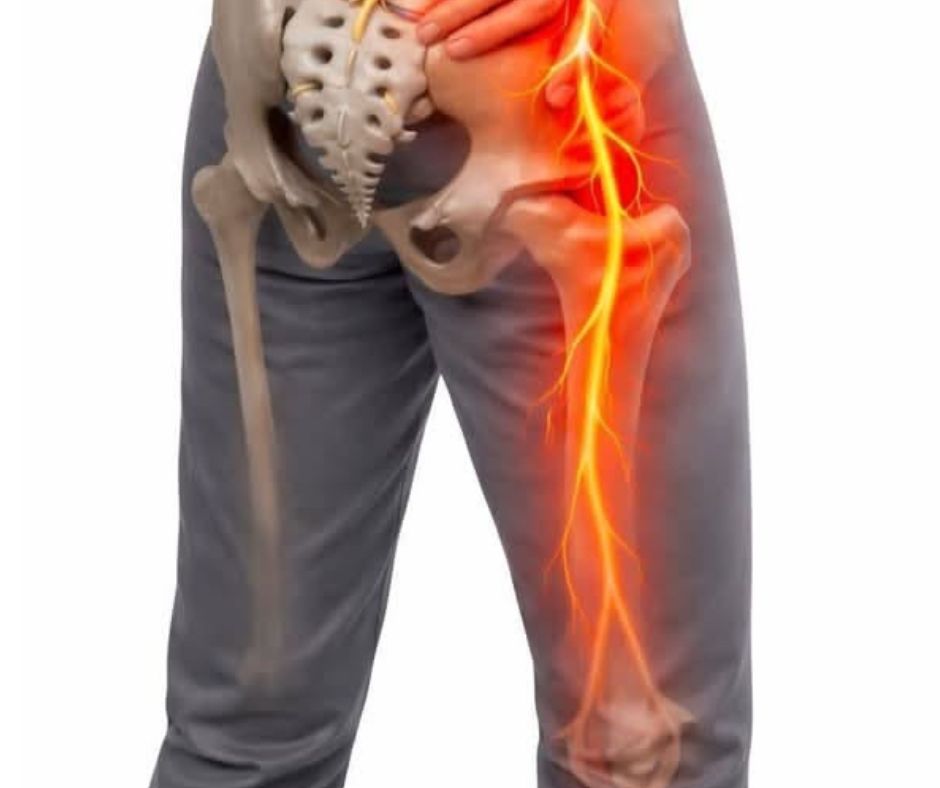
Pain doesn’t stay quiet in the final stages. It gets loud. Patients often describe shooting pain that radiates from the buttocks down through the leg. Many report radiating leg pain so intense it interrupts sleep and daily tasks. This is no longer “just back pain.” It becomes chronic pain that limits how you live, work, and move.
Nerve damage also creeps in. Patients notice numbness and tingling in their legs and feet. Some experience muscle weakness that makes walking difficult. A dropped foot while walking, known as foot drop, is a serious red flag. So is a burning sensation in legs or loss of reflexes when a doctor taps your knee. These symptoms mean the nerve has been under pressure for too long.
The most severe stage is called cauda equina syndrome. This happens when compressed nerves affect bladder or bowel dysfunction. If you suddenly lose control of your bladder or bowels, or feel numbness in your inner thighs, seek emergency care immediately. This stage carries real paralysis risk if left untreated. It’s not something to wait out.
| Stage | Common Symptoms | Urgency Level |
| Early | Mild back ache, occasional sharp pain | Low |
| Moderate | Radiating leg pain, tingling, weakness | Medium |
| Severe | Chronic pain, foot drop, numbness | High |
| Final (Cauda Equina) | Bladder/bowel loss, groin numbness | Emergency |
How Doctors Diagnose Advanced-Stage Sciatica

Diagnosing sciatica starts with a conversation and a physical examination. Doctors check your reflexes, muscle strength, and range of motion. One common test is the straight leg raise test. Your doctor lifts your leg while you lie down. Pain during this test often points straight to nerve involvement.
From there, doctors typically order an MRI scan or other spinal imaging to see exactly what’s happening inside your spine. This reveals herniated disc, spinal stenosis, or bone spur issues clearly. In more complex cases, a nerve conduction study measures how well electrical signals travel through your nerves. Combined with a full neurological exam, doctors can accurately pinpoint how advanced your sciatica has become. Getting the right diagnosis early prevents guesswork later.
Non-Surgical Treatments Still Worth Trying
Not every case of sciatica needs surgery. Many patients improve significantly with conservative treatment. Physical therapy strengthens the muscles supporting your spine and reduces pressure on the nerve. Combined with targeted stretching exercises, this approach often relieves pain without any invasive procedures.
Doctors may also recommend anti-inflammatory medication to calm swelling around the nerve. Epidural steroid injections deliver medication directly to the affected area for faster pain relief. Simple hot and cold therapy at home can ease flare-ups too. Some patients find chiropractic care helpful for spinal alignment. Together, these options form a strong first line of defense, and many people never need surgery at all.
When to Consider Surgery for Sciatica
Sometimes, conservative care just isn’t enough. If pain persists after several weeks of pain management, it may be time to talk about spinal surgery. This is especially true if you’re experiencing worsening muscle weakness or nerve damage that isn’t improving.
Doctors also move toward surgery quickly if cauda equina symptoms appear. Waiting too long increases the risk of permanent damage. Becoming a candidate for surgery isn’t a failure. It’s often the smartest path forward when nerve compression has become too severe for the body to heal on its own. A spine specialist can help you weigh your options honestly.
Surgical Options for Severe Sciatica
Several surgical procedures exist depending on your specific case. A microdiscectomy removes the small portion of disc pressing on the nerve. It’s considered minimally invasive surgery with a relatively quick recovery. A laminectomy removes part of the vertebra itself to create more space for the nerve, a process also known as decompression surgery.
In more advanced cases, doctors may recommend spinal fusion, which joins two vertebrae together for stability. However, fusion limits movement afterward. This is where modern alternatives come in, offering better spinal mobility and motion preservation compared to older techniques. Let’s look at one of the most effective modern options next.
The Role of Disc Replacement in Treating Sciatica
Disc replacement surgery has changed the game for patients in the last stages of sciatica. Instead of fusing bones together, surgeons remove the damaged disc and insert an artificial disc in its place. This approach allows for motion preservation, meaning patients keep much of their natural flexibility after healing.
Studies show a success rate between 75% and 93% for artificial disc replacement, a remarkably strong outcome for spinal procedures. Ideal candidates typically have severely degenerated discs that haven’t responded to non-surgical treatment. Doctors also check overall health, bone density, and lifestyle habits like smoking before approving someone for surgery. Recovery timelines vary, but many patients return to office work within a month, light activity within six weeks, and physical labor within twelve weeks. Consistent post-surgical rehabilitation plays a huge role in how well patients bounce back.
Recovery and Long-Term Outlook After Treatment
Recovery isn’t just about healing tissue. It’s about rebuilding confidence in your body again. Following your recovery timeline closely, whether after surgery or conservative treatment, dramatically improves your long-term outcomes. Core strengthening, better posture, and healthy weight management all reduce the odds of sciatica returning.
Getting back to normal life, including a full return to work, often happens gradually. Most patients report major improvements in quality of life once nerve pressure is relieved. Regular check-ins with a board-certified surgeon or spine specialist help catch any warning signs early, keeping your spine healthy for years to come.
A Quick Case Study
Consider a 52-year-old office worker who ignored mild sciatica symptoms for over a year. By the time she sought help, she had developed foot drop and chronic nerve pain. After failing conservative treatment, she underwent disc replacement surgery. Within three months, she returned to full-time work with significantly reduced pain. Her story reflects a common pattern: earlier treatment almost always leads to better outcomes.
Final Thoughts from Dr. Todd Lanman on Sciatica Treatment
Sciatica often starts quietly in the back before spreading into the legs and feet. If ignored, it can progress into the last stages of sciatica, bringing permanent nerve damage, loss of bladder control, and even paralysis risk. The earlier you catch the symptoms, the better your chances of avoiding these severe outcomes.
Dr. Todd H. Lanman, a respected spinal neurosurgeon with three decades of experience, has helped countless patients recover through advanced disc replacement surgery. His approach focuses on restoring mobility and comfort through a personalized treatment plan tailored to each patient’s needs.
As Dr. Lanman often reminds his patients:
“You don’t have to live in pain. The earlier you act, the more options you have.”
If you’re struggling with sciatica symptoms, don’t wait for things to worsen. Book a consultation with Dr. Lanman today, or explore the Top Doctor directory to find a trusted spine specialist near you. Relief is closer than you think.
