
Snoring can ruin a good night’s sleep. It can wake up your partner. It can leave you tired the next day. The good news is simple. You can learn how to stop snoring immediately with a few proven steps. This guide covers real snoring remedies that doctors trust. It also covers home tricks you can try tonight.
Millions of adults in the USA snore every night. Some snore only a little. Others snore so loud it shakes the whole room. Either way, there are real snoring solutions that work. Read on to find the fix that fits you best.
What Causes Snoring?
Snoring happens when air cannot move freely through your nose and throat. This blocked airflow makes tissue vibrate. That vibration creates the sound we call snoring. Common snoring causes include a blocked nose, weak throat muscles, and poor sleep posture. A cold, allergies, or dry air can also trigger it. Doctors say nearly half of all adults snore at least sometimes.
Some people ask, “why do I snore so loudly” even when they feel healthy. The answer is often tied to anatomy. A deviated septum can block one side of the nose. Enlarged tonsils can narrow the throat. Extra fat around the neck can press on the airway too. Each of these raises the risk of loud, constant snoring.
| Common Cause | How It Affects Breathing |
| Deviated septum | Blocks airflow through one nostril |
| Enlarged tonsils | Narrows the throat passage |
| Nasal congestion | Forces mouth breathing at night |
| Weak throat muscles | Lets tissue collapse and vibrate |
| Extra weight | Adds pressure on the airway |
Quick Fixes to Stop Snoring Immediately
If you need relief tonight, start with simple steps. A warm shower before bed can open a stuffy nose. This eases nasal congestion fast. Sleeping with your head raised also helps. It stops tissue from falling back into your throat. These are easy ways to try stop snoring tonight without buying anything new.
Many people search for fast snoring remedies that need no doctor visit. A saline spray can clear the nose in minutes. Turning on your side instead of your back can also give instant snoring relief. These small changes often bring quick, noticeable results. They are a strong first step before trying bigger lifestyle changes.
Change Your Sleep Position to Reduce Snoring
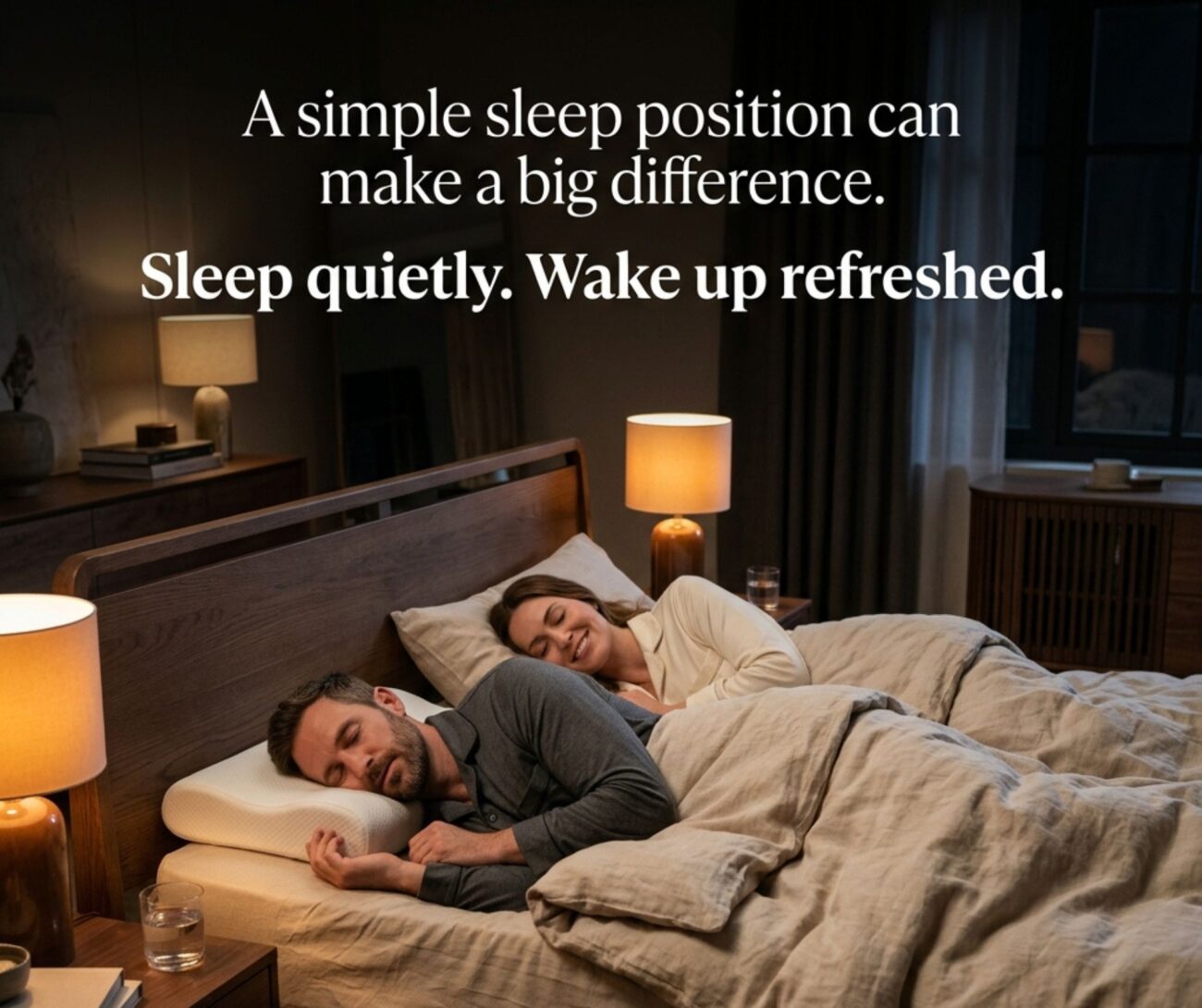
Your sleep position plays a huge role in snoring. Lying flat on your back lets your tongue fall backward. This blocks your airway and causes loud snoring. Side sleeping keeps the airway open. It is one of the simplest snoring remedies available, and it costs nothing.
Some people wonder how to stop snoring while sleeping on back without buying gadgets. A classic trick is to sew a tennis ball into the back of a shirt. This makes back sleeping uncomfortable, so the body naturally rolls to the side. A body pillow between the knees also helps you stay in place. This is a proven step toward the best sleeping position to avoid snoring.
Nasal Strips, Dilators & Breathing Aids
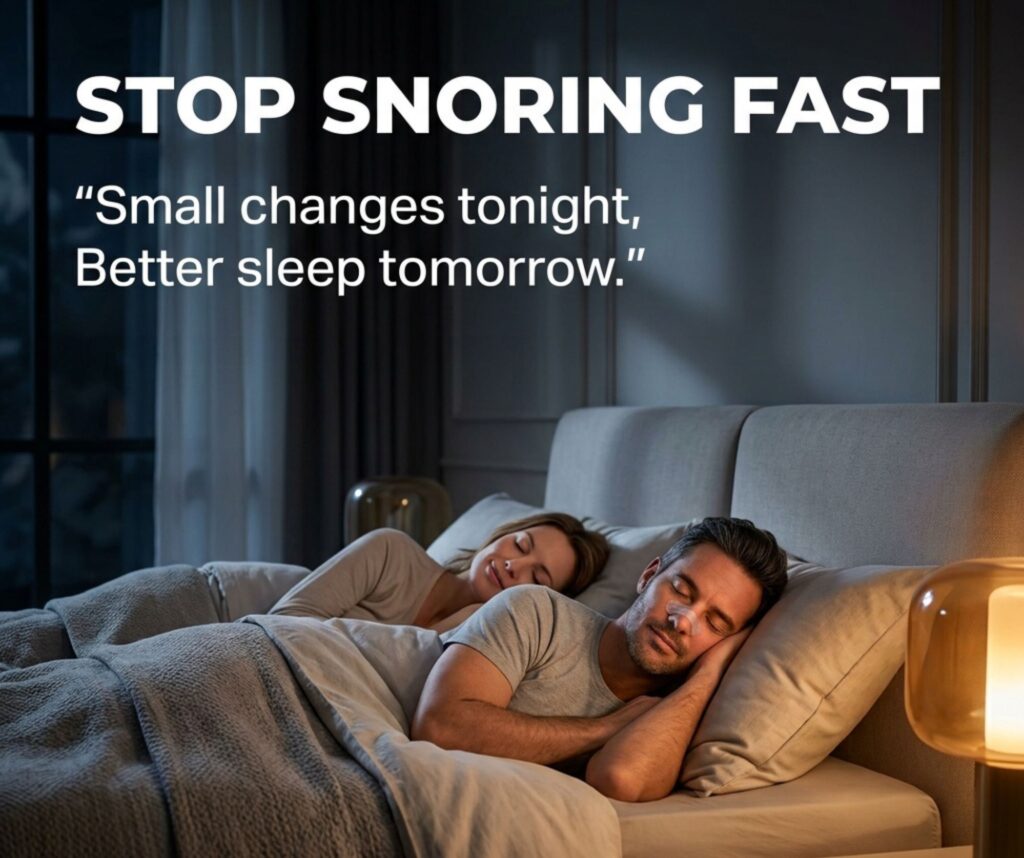
Nasal strips are small adhesive bands placed on the nose. They gently pull the nostrils open. This lowers airflow resistance and reduces snoring caused by a tight nose. A nasal dilator works in a similar way but sits inside the nostril instead of on top of it.
These tools are part of many anti-snoring devices sold in stores today. They are cheap, easy to use, and drug-free. People with mild nasal passages blockage often see fast results. However, they may not help snoring caused by throat tissue instead of the nose. In that case, other tools like a mouthguard for snoring may work better.
| Device Type | Placement | Best For |
| Nasal strip | Outside the nose | Mild nasal blockage |
| Internal nasal dilator | Inside the nostril | Narrow nasal passages |
| Chin strap for snoring | Under the jaw | Mouth breathing at night |
| Mandibular advancement device | Inside the mouth | Tongue-based snoring |
Throat & Tongue Exercises to Stop Snoring
Weak throat muscles are a hidden cause of snoring. Throat exercises can tighten these muscles over time. This reduces the vibration that creates snoring sounds. Simple daily practice, like pressing the tongue to the roof of the mouth, can build strength in just a few weeks.
People searching for how to stop snoring naturally often turn to these exercises first. They are free and require no equipment. Singing, repeating vowel sounds, and tongue push-ups all count as useful training. Over time, stronger throat muscles mean less collapse during sleep and quieter nights for everyone in the house.
Lifestyle Changes That Reduce Snoring
Daily habits shape how loudly you snore. Alcohol and snoring are closely linked, since alcohol relaxes throat muscles. Avoiding drinks a few hours before bed can make a big difference. Smoking and snoring are linked too, since smoke irritates the airway and causes swelling.
Obesity and snoring often go hand in hand. Extra weight around the neck adds pressure on the airway. Weight loss for snoring is one of the most effective long-term fixes doctors recommend. Good sleep hygiene, such as a fixed bedtime and a cool, dark room, also supports quieter breathing. Small lifestyle shifts often bring the best way to stop snoring for good.
Home Remedies for Snoring Relief
Simple home fixes can bring real comfort. Steam inhalation clears blocked nasal passages fast. Warm fluids like herbal tea soothe throat tissue relaxation before bed. Many people also try essential oils for snoring, such as peppermint or eucalyptus, added to a diffuser at night.
A humidifier for snoring keeps the air moist, which prevents dryness in the throat and nose. This is especially helpful during dry winter months common across the USA. These are gentle home remedies to stop snoring immediately, and they work well alongside other treatments like better sleep posture or nasal strips.
One user in Ohio shared her experience after trying a bedside humidifier for two weeks. She said, “My husband stopped nudging me awake within days.” Small changes like this often bring noticeable relief without any medical visit.
When Snoring Indicates a Serious Problem
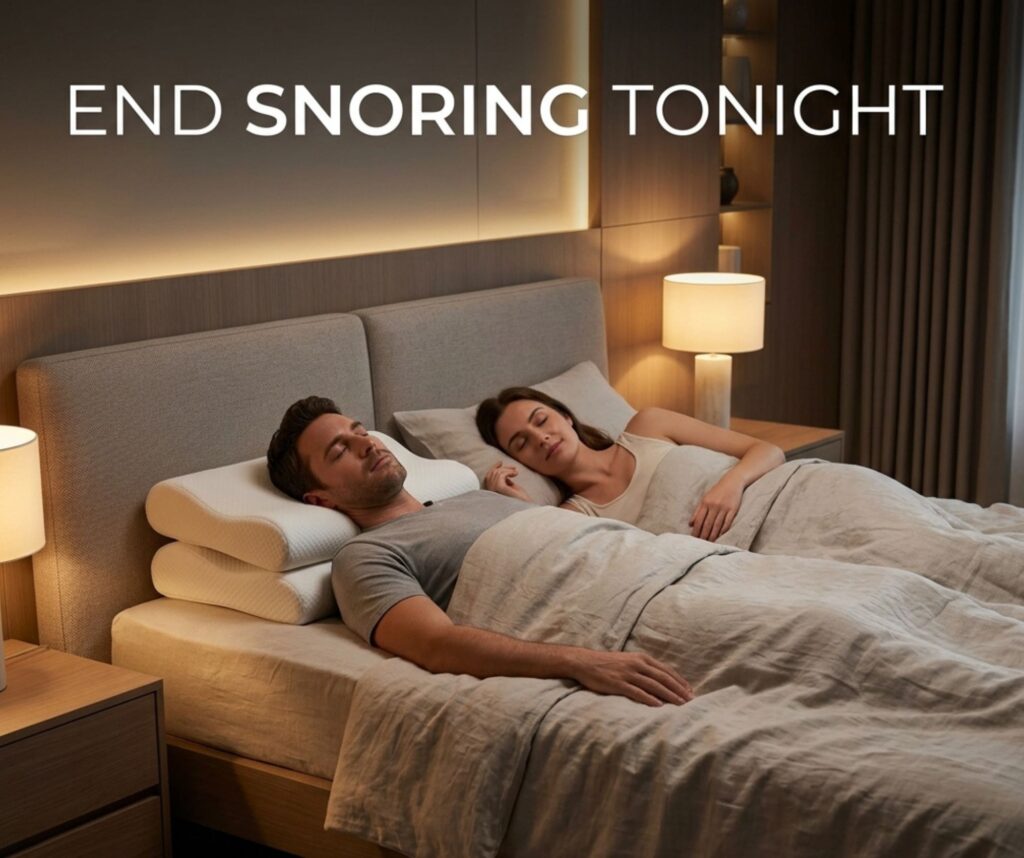
Not all snoring is harmless. Loud, constant snoring paired with gasping or choking sounds can point to sleep apnea. This condition is known in medicine as obstructive sleep apnea (OSA). It means breathing actually stops for short periods during sleep, which strains the heart and brain.
If you often wonder is snoring a sign of sleep apnea, watch for daytime tiredness and morning headaches. These are common warning signs. An ENT specialist can check your airway and recommend a sleep study to confirm the diagnosis. Ignoring these symptoms can raise the risk of high blood pressure and heart disease over time.
Best Products & Devices to Stop Snoring
Several tools target different causes of snoring. An anti-snore pillow keeps the head and neck aligned properly. A mandibular advancement device gently shifts the jaw forward to keep the airway open. A CPAP machine is often prescribed for people with confirmed sleep apnea, since it delivers steady airflow all night long.
These tools fall under trusted snoring solutions that work for many different needs. Choosing the right one depends on the root cause. A person with mouth breathing issues may need a chin strap, while someone with a narrow nose may need a dilator instead. Testing a few options often leads to the best fit.
When to Consider Professional Treatment or Surgery
For some people, home fixes are not enough. A doctor may suggest surgery to remove blocked tissue or fix a deviated septum. This helps when airway obstruction is severe and other treatments have failed. These options are usually a last step, used only after simpler methods have been tried.
Many people ask how to reduce snoring without surgery first. Devices like a CPAP machine or an oral appliance often solve the issue without an operation. Surgery remains an option for a sleep disorder that does not improve through other means. A consultation with a sleep study center can guide the right next step.
Why Snoring Gets Worse With Age
Aging naturally weakens throat muscles. This is why people often notice why does my snoring get worse with age as the years pass. Loss of muscle tone in the throat leads to more tissue collapse during sleep. Hormonal shifts and weight changes over time can add to the problem as well.
Older adults may also develop more sinus congestion, which adds another layer to nighttime snoring. Staying active and treating upper airway resistance early can slow this decline. Regular throat exercises and a healthy weight remain useful tools at every stage of life, not just in youth.
Snoring Differences Between Men and Women
Snoring patterns can differ by gender. Research shows men snore more often, largely due to body structure and neck size. People searching for what causes snoring in men often find that extra neck fat and airway shape play a major role.
Women are not immune, though. Hormonal changes during pregnancy or menopause raise the risk too. Many search for what causes snoring in women to understand these shifts. Both groups benefit from the same base solutions, including better sleep position, weight control, and reduced alcohol before bed.
How to Help a Partner Who Snores
Sharing a bed with a loud snorer is hard. Many people search how to stop my partner from snoring out of pure exhaustion. The first step is gentle, not blame. Suggest trying a side-sleeping position or a bedside humidifier together as a team effort.
Encouraging a partner to see an ENT specialist can also help if snoring is severe. Simple changes, like an elevated pillow or reduced evening alcohol, can bring peace to the whole household. Most partners are relieved to find a fix, since snoring often affects their sleep too, not just yours.
Frequently Asked Questions
How can I stop snoring immediately tonight?
Try sleeping on your side, using a nasal strip, and raising your head with a pillow. These steps often bring quick relief the same night.
Can snoring be cured permanently?
Yes, in many cases. Fixing the root cause, such as weight, alcohol use, or sleep position, often removes snoring for good.
Does sleeping on your side stop snoring?
Yes. Side sleeping keeps the tongue from blocking the throat, which is one of the most effective snoring remedies available.
Is snoring a sign of a health problem?
Sometimes. Loud snoring with gasping or pauses in breathing may point to obstructive sleep apnea (OSA), which needs medical care.
Final Thoughts
Snoring does not have to control your nights. Small steps like changing your sleep position, using nasal strips, or trying throat exercises can bring fast relief. Bigger changes, like weight loss or quitting smoking, offer long-term results. If snoring continues despite these efforts, a doctor can check for sleep apnea and guide you toward the right care. Quiet, restful nights are possible with the right plan in place.
