
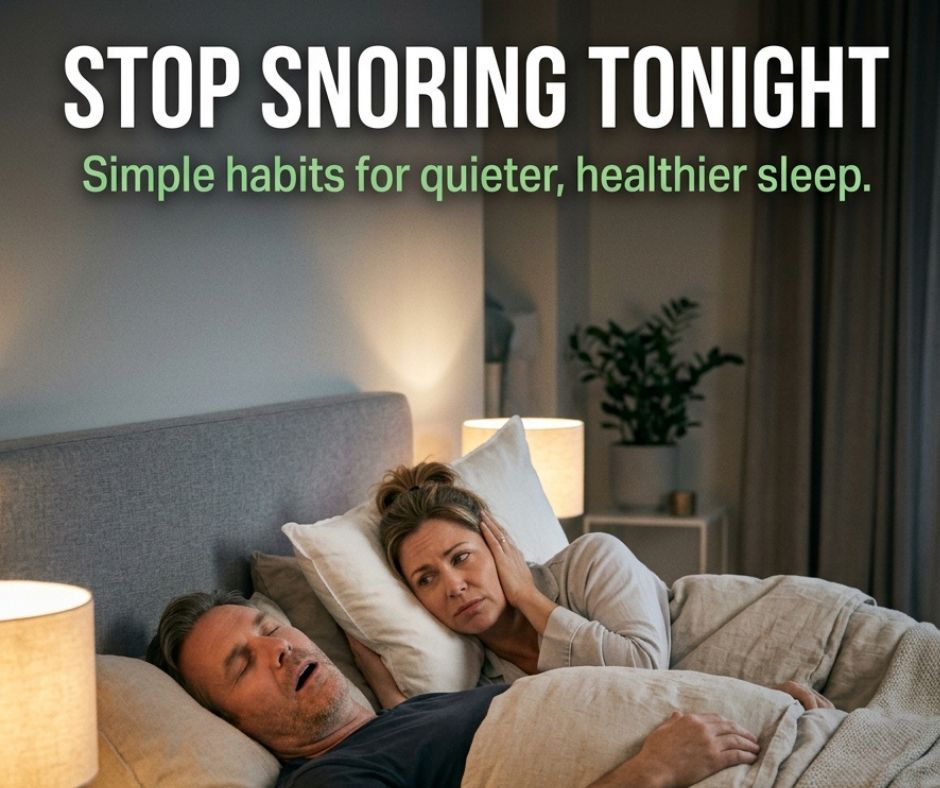
Snoring disrupts sleep for millions of Americans every single night. It affects not just the snorer but anyone sharing the bed too. Learning how to stop snoring starts with understanding why it happens in the first place. Air moving through a narrow or blocked airway causes throat tissue to vibrate, creating that familiar rattling sound.
While occasional snoring feels harmless, frequent or loud snoring can point to deeper snoring causes, including sleep apnea or blocked nasal passages. The good news is that simple lifestyle shifts, home remedies, and proven anti-snoring devices can bring real relief. This guide walks through practical, doctor-backed snoring solutions that actually work.
What is Snoring and Why Does It Happen?
Snoring happens when air struggles to move freely through your throat while you sleep. Relaxed throat tissues vibrate as air passes by, creating that familiar rattling sound. It is one of the most common sleep complaints in the country.
Most people ask, “why do I snore,” and the answer often comes down to narrow airways. A partly blocked airway obstruction forces air through a tighter space. This raises vibration and volume. Some snore occasionally. Others snore every night, which may signal a deeper sleep disorder.
Common Causes of Snoring
Many factors contribute to nightly noise. Blocked nasal passages from colds or allergies are a frequent trigger. Excess weight around the neck adds pressure to the airway too. Age also plays a role, since throat tissues lose firmness over time.
Habits matter just as much as anatomy. Alcohol and snoring go hand in hand, since alcohol relaxes throat muscles too much. Smoking and snoring are also linked, because smoke irritates and swells nasal tissue. Sleeping on your back often worsens things, since gravity pulls the tongue backward.
Types of Snorers
Not everyone snores the same way. Doctors often group snorers into four categories based on where the sound starts. Knowing your type helps you pick the right fix instead of guessing.
| Snorer Type | Main Cause | Common Sign |
| Nose snorer | Blocked nasal passages | Whistling sound |
| Mouth breathing snorer | Open jaw during sleep | Dry mouth in the morning |
| Tongue snorer | Tongue falls back into throat | Loud, deep snore |
| Soft palate snorer | Uvula vibration | Rattling, buzzing noise |
A snoring diagnosis from an ENT doctor can confirm which type fits you best.
Health Risks of Chronic Snoring
Loud snoring is not just annoying. It can point to bigger health troubles. Chronic snoring often connects to sleep apnea, a condition where breathing repeatedly stops during the night. This puts stress on the heart and lungs over time.
Studies show a real link between heart problems and snoring. Interrupted breathing lowers oxygen levels, which strains blood vessels. Left untreated, this raises the risk of high blood pressure and stroke. Poor sleep also brings sleep fatigue, memory trouble, and mood swings during the day.
“Snoring is often dismissed as a nuisance, but persistent, loud snoring paired with gasping should never be ignored,” notes the American Academy of Sleep Medicine on its patient education page.
Lifestyle Changes to Reduce Snoring
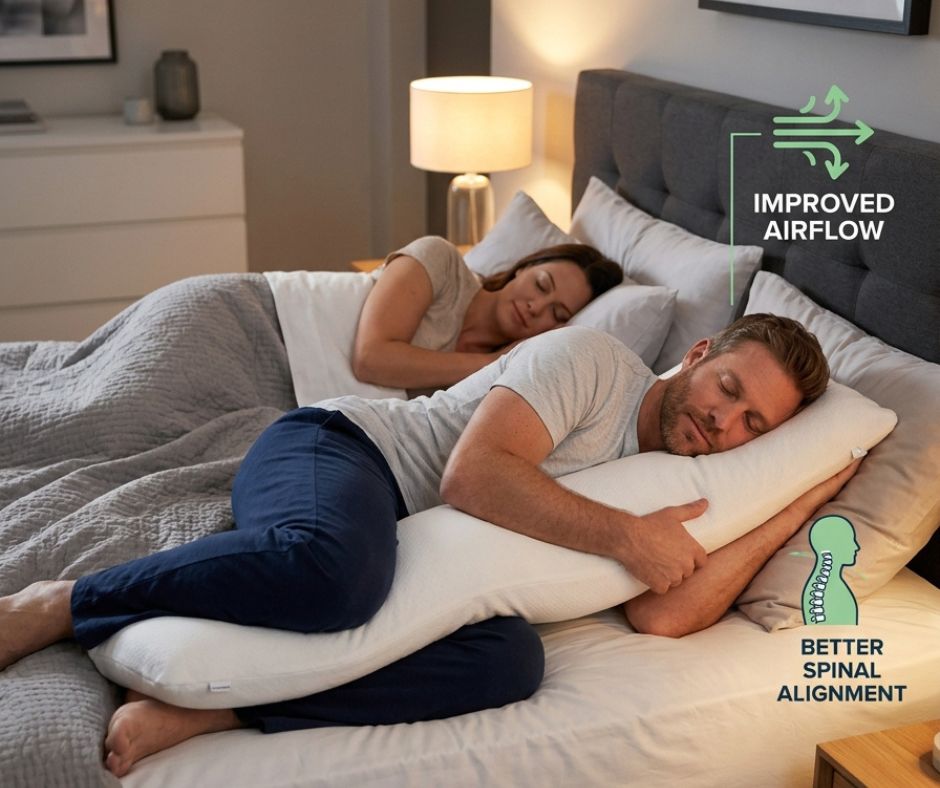
Small daily changes can bring big results. Adjusting your sleep position is one of the easiest fixes. Side sleeping keeps the airway open, while back sleeping lets the tongue block airflow.
Weight also matters a great deal. Weight loss and snoring research shows that shedding extra pounds reduces neck pressure and softens vibration. Cutting back on alcohol before bed and quitting smoking both calm the airway further. A body pillow can help you stay on your side through the night without rolling back.
Home Remedies and Natural Tools for Snoring
Many people find relief without medication. Nasal strips open nostrils gently and improve airflow within minutes. A humidifier for snoring adds moisture to dry air, which soothes irritated nasal tissue and eases breathing.
Throat exercises strengthen the muscles around your jaw and soft palate. Simple routines, like pressing the tongue to the roof of the mouth, can reduce vibration over weeks. Elevating your head with an extra pillow also keeps the airway straighter and less prone to collapse.
Anti-Snoring Devices and Products
When home tricks fall short, anti-snoring devices offer stronger support. An oral appliance repositions the jaw forward, opening space behind the tongue. A mouthguard works in a similar way by holding the lower jaw steady through the night.
A chin strap keeps the mouth closed, which reduces mouth breathing and dry-mouth snoring. For more serious cases linked to sleep apnea, a CPAP machine delivers steady air pressure to keep the airway open all night long.
| Device | Best For | Typical Price Range (USD) |
| Nasal strips | Nose snorers | $10–$15 |
| Mouthguard | Tongue and jaw snorers | $50–$100 |
| Chin strap | Mouth breathing snorers | $15–$25 |
| CPAP machine | Diagnosed sleep apnea | $500–$1,000+ |
Alternative and Medical Remedies
Some snorers look beyond standard tools. Acupuncture has helped certain people relax throat muscles naturally. Playing wind instruments, such as the flute or trombone, can strengthen the throat over months of regular practice.
For stubborn cases, snoring surgery may be recommended. Procedures can tighten the soft palate, remove excess tissue, or correct a crooked nasal septum. These options usually follow a full snoring diagnosis and are reserved for people who have tried simpler snoring treatment methods first.
When Should You See a Doctor for Snoring?

Occasional snoring rarely needs medical care. But certain signs call for a professional opinion right away. Gasping, choking, or long breathing pauses at night are red flags. Loud, disruptive snoring combined with daytime sleep fatigue also deserves attention.
A sleep specialist can arrange a sleep study to check for sleep apnea or other hidden issues. Visiting an ENT doctor helps rule out breathing difficulties tied to nasal or throat structure. Early diagnosis often leads to faster, easier treatment.
Frequently Asked Questions
Is snoring genetic?
Yes, family history can shape jaw shape and airway size, both of which affect how likely you are to snore.
Can snoring be cured permanently?
Many people see lasting improvement through weight loss, lifestyle changes, or oral appliance use, though results vary by cause.
Does losing weight stop snoring?
Often, yes. Weight loss and snoring studies show reduced neck fat lowers airway pressure and quiets vibration.
Are anti-snoring devices safe to use long-term?
Most anti-snoring devices, including a mouthguard or chin strap, are safe when fitted properly and checked by a dentist or doctor.
Is snoring more common in men or women?
Men snore more often due to narrower airways, though snoring in women rises after menopause.

I like that you pointedSnoring Blog Comment out snoring isn’t always just a nuisance but can sometimes be a sign of an underlying issue like sleep apnea. One thing that’s helped people I know is keeping track of when snoring gets worse, since patterns related to sleep position or congestion can make it easier to know when lifestyle changes are enough and when it’s time to talk with a doctor.