

Snoring affects millions of people across the country every single night. It disrupts sleep, strains relationships, and often signals deeper health issues waiting beneath the surface. Learning how to prevent snoring doesn’t require expensive gadgets or drastic lifestyle overhauls. Most cases improve through small, consistent changes to daily habits and sleep routines. Understanding snoring causes and remedies helps you target the real problem instead of guessing blindly.
Some triggers come from throat tissue blockage, while others stem from nasal congestion or excess weight around the neck. This guide breaks down proven, doctor-backed strategies covering everything from sleep hygiene tips to recognizing early sleep apnea symptoms. By the end, you’ll know exactly which changes fit your situation, and when it’s time to see a doctor.
What Causes Snoring?
Snoring starts in the throat and airway. When you fall asleep, muscles relax. Sometimes they relax too much. This narrows the air passage and forces air through a smaller gap. The result is that familiar rattling sound. Several body parts play a role here, including the soft palate, the uvula, and the nasal passage. A blocked septum or swollen turbinates can also restrict airflow significantly.
Many things trigger this problem. Age weakens throat muscles over time. Extra weight adds pressure around the neck tissue. Allergies and colds cause swelling inside the nose. Even your sleeping posture matters a lot. Knowing your specific trigger is the first step toward real, lasting relief. It also helps you pick the right fix instead of guessing.
Sleep on Your Side
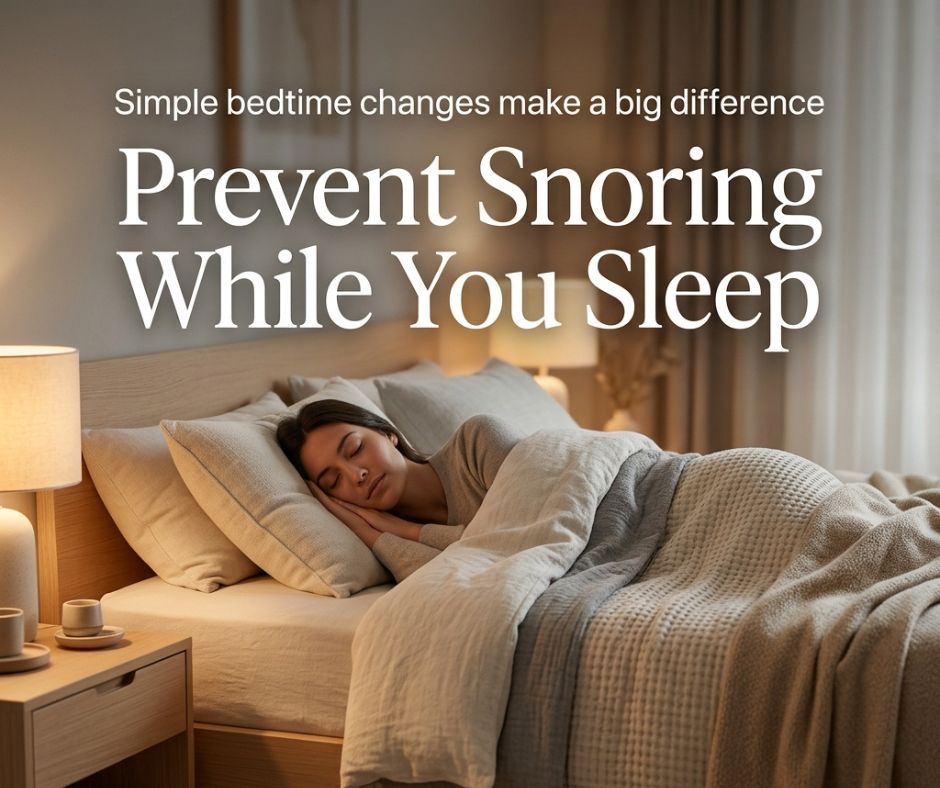
Your sleeping position has a huge effect on snoring. Lying on your back lets your tongue and soft palate fall backward. This blocks your airway and makes snoring worse. Switching to a side sleeping position keeps that pathway open. Many people notice quieter nights within just a few days of making this change.
Training your body takes a little patience, though. Try the classic tennis ball technique. Sew a small pocket onto the back of a shirt and place a tennis ball inside. This stops you from rolling onto your back during sleep. A wedge pillow for sleep works well too. Some people also explore VA Prosthetics devices designed to support proper body position through the night.
Maintain a Healthy Weight / Lose Excess Weight
Carrying extra weight adds pressure around your throat and neck area. This narrows the airway and increases vibration during sleep. Weight loss for snoring is one of the most effective long-term fixes available. Even losing a small amount can ease pressure and quiet your breathing noticeably.
Weight management does not require extreme dieting. Small, steady changes work better and last longer. Walking daily, cutting sugary drinks, and eating more vegetables all help. A doctor can guide you toward a safe weight-loss program suited to your body. Combining this with a good exercise program speeds up results even further.
“Losing just ten percent of body weight can significantly reduce snoring severity in many patients,” notes sleep medicine research published by the American Academy of Sleep Medicine.
Avoid Alcohol and Sedatives Before Bedtime
Alcohol effects on sleep are often underestimated. Alcohol relaxes throat muscles more than people realize. This muscle relaxation allows tissue to collapse inward, blocking airflow. Sedatives and sleeping pills cause a similar problem. Both slow your breathing rate and deepen relaxation in ways that worsen snoring overnight.
Skipping that evening drink can genuinely improve your sleep. If you depend on medication to fall asleep, talk to your health care provider about safer options. Some people switch to natural relaxation methods instead, like herbal tea or breathing exercises. These alternatives support rest without the unwanted side effects.
Stay Hydrated Throughout the Day
Dehydration thickens mucus inside your nose and throat. Thick mucus sticks together and increases vibration during sleep. Drinking enough water throughout the day keeps these secretions thin and loose. This simple habit supports nasal congestion relief and reduces nighttime noise considerably.
Spread your water intake evenly across the day instead of drinking large amounts before bed. Herbal tea offers a soothing alternative, especially warm varieties. These small, consistent habits build into one of the most overlooked healthy sleep habits around. Most people never realize how much hydration affects their breathing at night.
Unblock Your Nose
A blocked nose forces you to breathe through your mouth. Mouth breathing increases vibration and makes snoring louder. Nasal congestion often comes from allergies, sinus infections, or a deviated septum. Nasal polyps can also block airflow and require medical attention in some cases.
Several remedies exist depending on the cause. A nasal saline rinse clears mucus and reduces swelling quickly. Nasal strips for snoring physically widen the nostrils, allowing easier airflow. For allergy-related sinus problems treatment, over-the-counter medication often helps. Severe structural issues may require deviated septum surgery for lasting relief. Quitting smoking matters too, since smoking and nasal congestion are closely linked through ongoing tissue irritation.
| Nasal Issue | Common Remedy |
| Allergies | Antihistamines, saline rinse |
| Deviated septum | Surgery |
| Sinus infection | Decongestants, doctor visit |
| Nasal polyps | Nasal spray, possible surgery |
Exercise Regularly to Strengthen Throat Muscles
Physical activity strengthens more than your legs and arms. It also tones muscles throughout your throat and airway. Stronger muscles resist collapsing during sleep, which reduces vibration significantly. The regular exercise benefits extend far beyond weight control alone.
Cardio activities like brisk walking or swimming improve lung capacity over time. Specific throat exercises, such as repeating vowel sounds aloud, can tone this area directly. You don’t need an intense routine to see results. Just thirty minutes most days supports better breathing pattern control and quieter nights ahead.
Improve Your Sleep Hygiene / Bedroom Environment
Your bedroom setup affects breathing more than most people expect. Dry air irritates the nasal passage and worsens snoring. A humidifier keeps moisture levels balanced and comfortable. Raising your head slightly with an extra pillow also helps keep the airway open through the night.
Good sleep hygiene tips include a consistent bedtime and wake time every single day. This trains your body toward deeper, more stable rest. Reducing dust and allergens in your bedroom also helps prevent irritation. Combined, these small adjustments build strong healthy sleep habits that support quieter breathing long term.
When Snoring Could Be a Sign of Sleep Apnea
Loud snoring at night is often harmless on its own. But when it happens frequently and loudly, it can signal something more serious. Obstructive sleep apnea (OSA) involves repeated pauses in breathing throughout the night. These pauses briefly starve the body of oxygen, which strains the heart over time.
Common sleep apnea symptoms include daytime drowsiness causes, gasping awake suddenly, and trouble breathing during sleep. Morning headaches are another frequent warning sign. Some people also notice frequent nighttime bathroom trips. Understanding snoring vs sleep apnea helps you decide whether it’s time to seek medical evaluation.
| Symptom | Simple Snoring | Sleep Apnea |
| Breathing pauses | No | Yes |
| Daytime fatigue | Rare | Common |
| Morning headache | Rare | Common |
| Gasping at night | No | Often |
When to See a Doctor
If lifestyle changes don’t help after several weeks, professional guidance becomes important. A health care provider can evaluate whether obstructive sleep apnea or another condition is behind your symptoms. Ignoring persistent, loud snoring can affect both your heart health and daily energy levels over time.
A sleep study test remains the most reliable way to diagnose sleep apnea accurately. Depending on results, treatment options may include a CPAP machine, an oral device, or in some cases, surgery. Don’t dismiss this as a minor inconvenience. Early diagnosis protects your long-term health and improves sleep for everyone in your household.
Frequently Asked Questions
Can snoring be cured permanently?
Many cases improve significantly with consistent lifestyle changes. Some structural causes require medical treatment for a full, lasting fix.
What is the best sleeping position to stop snoring?
Side sleeping keeps the airway open and reduces vibration far better than sleeping flat on your back.
Does losing weight really stop snoring?
Yes. Reducing neck and throat pressure through weight loss often brings noticeable, measurable improvement.
Is snoring always a sign of sleep apnea?
No. Occasional snoring is common and usually harmless. Loud, frequent snoring paired with other symptoms deserves medical attention.
What home remedies help stop snoring immediately?
Side sleeping, nasal strips, and a saline rinse offer quick relief the very same night.
Final Thoughts
Learning how to prevent snoring starts with understanding your personal triggers. Small daily changes, from side sleeping to better hydration, often bring real results within weeks. If symptoms persist or worsen, don’t wait. A quick conversation with your doctor could protect both your sleep and your long-term health.
